
I was hesitant to pick up Sonic Origins - a compilation featuring Sonics the Hedgehog 1, 2, 3 (& Knuckles) and CD - when it first came out in 2022. After all, I’ve probably paid for these four Sonic games about ten times over by now, thanks to their inclusion on compilations for almost every system imaginable over the past 30 years. It’s not like this will be the last or definitive one, either - that’s what they always say! But I couldn’t resist getting it on sale a month ago, and in its “Plus” edition too, with a few extra features. Playing it on and off, I’ve just finished all of the games and collected the platinum trophy for my trouble.
I’m not going to be reviewing each of the four Sonic games individually here - again, there’s no shortage of opinions on these venerable 16-bit platformers. Rather, I’m going to judge the compilation itself: what it does well, and what it falls down on. Fair warning: I am a bit of a Sonic fan, especially of the Mega Drive games, so my standards may be higher than most…
The Good
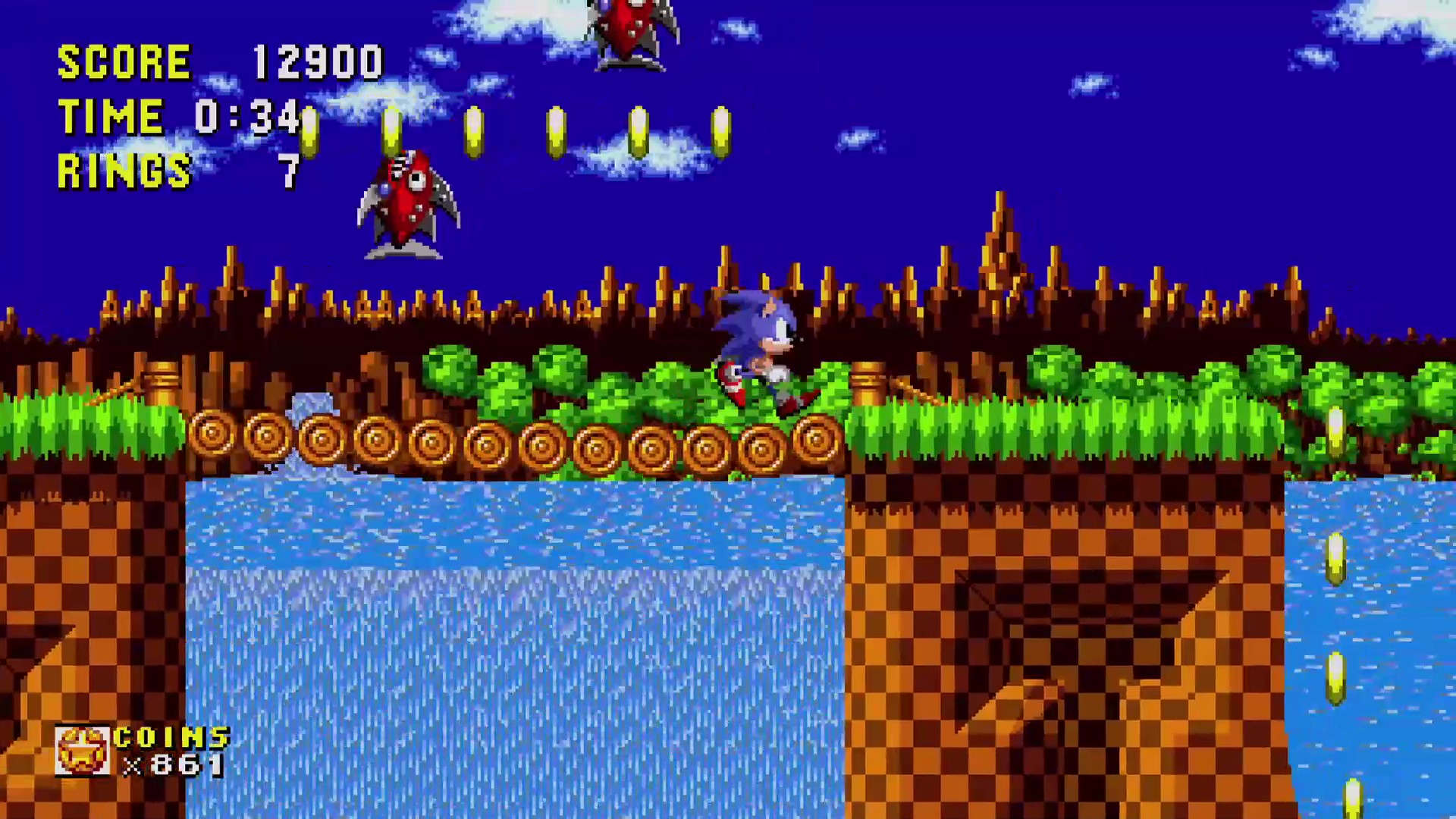
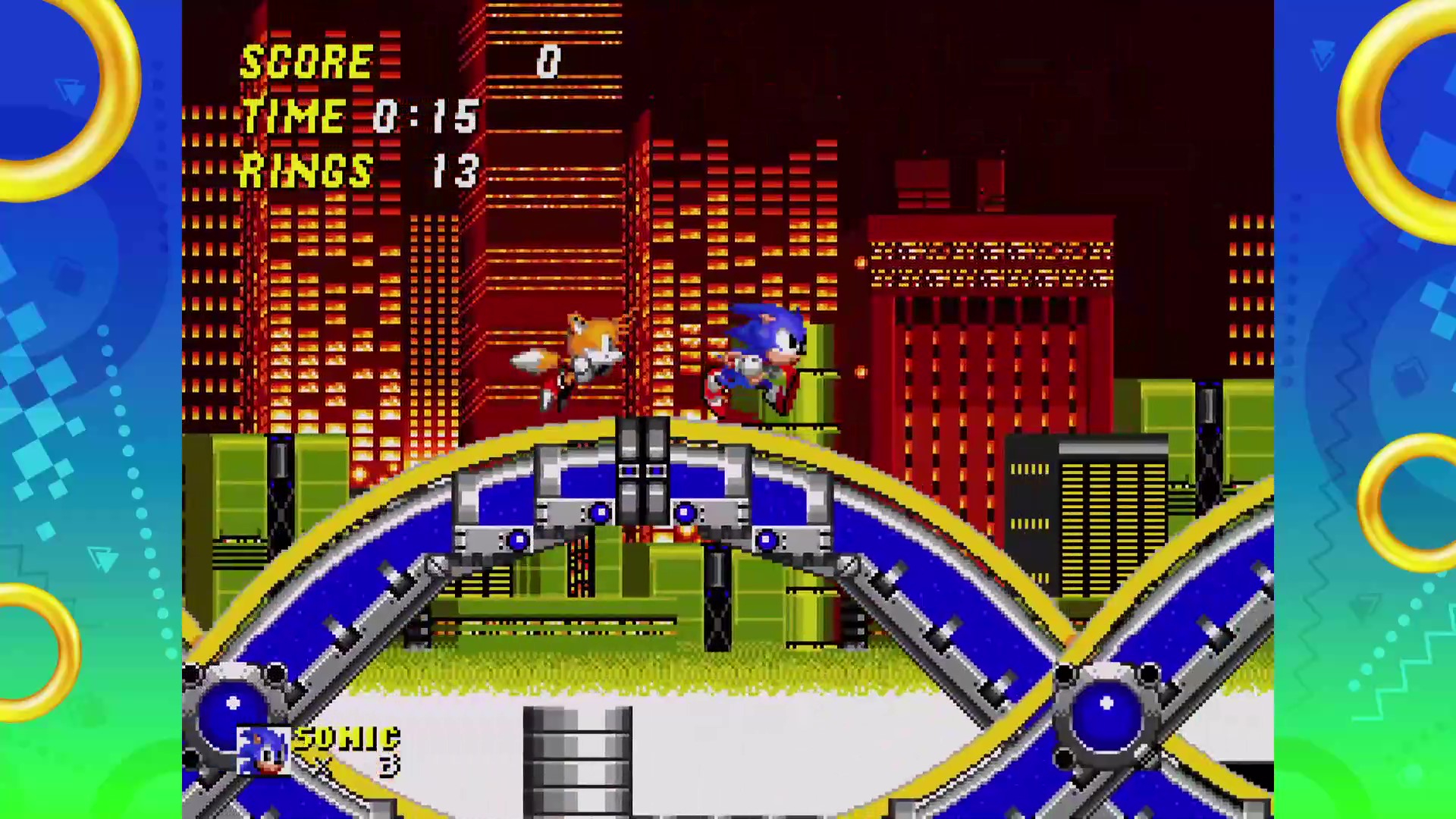
First, Sonic 1, 2 and CD are very well-represented here: they’re the remade versions created for mobile platforms by Sonic hacking community star turned official Sega development partner Christian “Taxman” Whitehead and friends. You can tell that a lot of effort was put into making them as faithful as possible to the originals, while still indulging in some quality-of-life features like adding a spin-dash to Sonic 1, allowing Knuckles and Tails to be used in every game, and even including Amy Rose, who was never playable in any Sonic games back in those days - a bonus for anyone who liked her inclusion in Sonic Superstars.
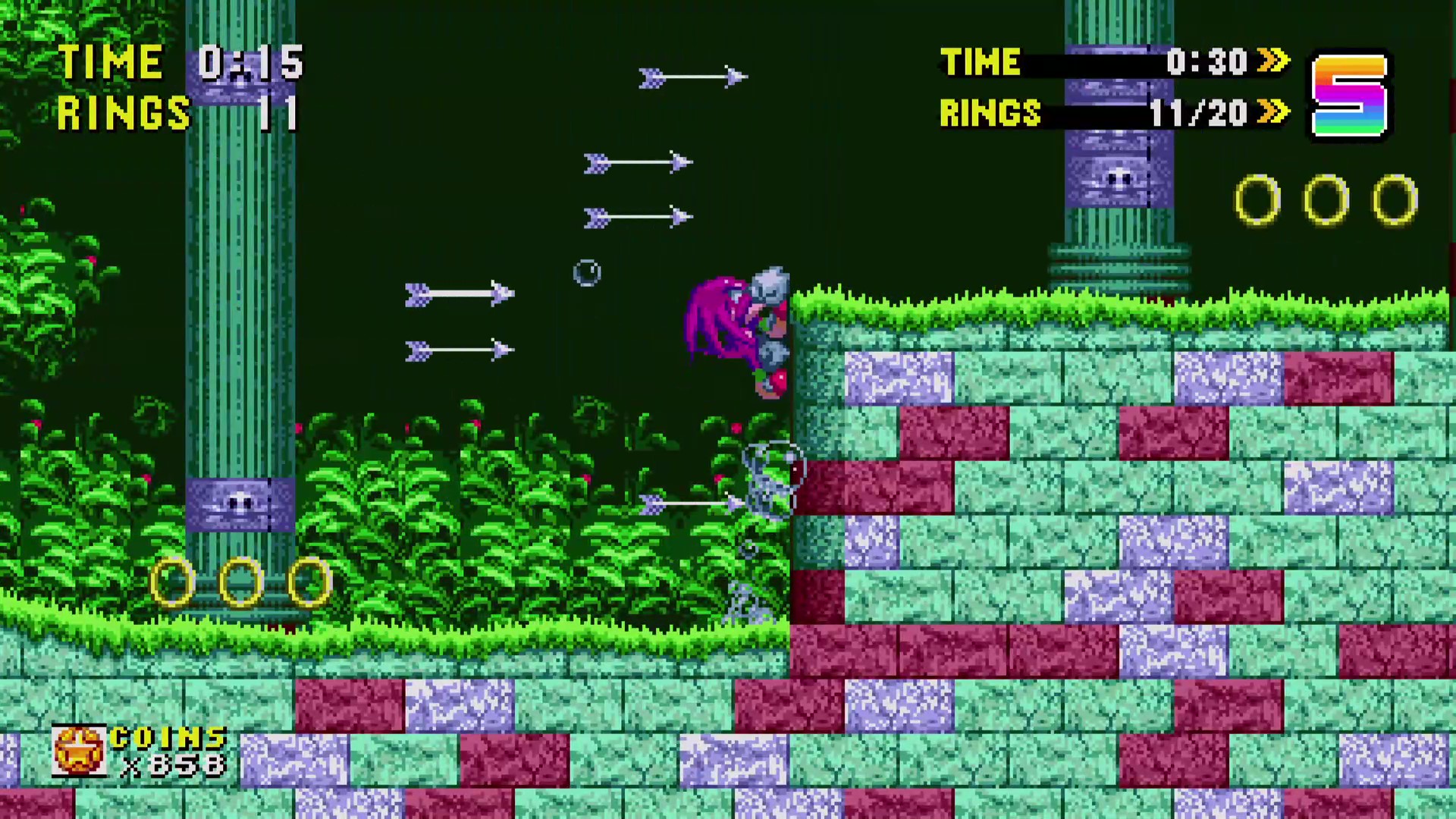
The compilation also includes some alternative modes. In Mission mode, you’ll play quick Mario Maker style challenges based on various level gimmicks like popping the balloons from Carnival Night zone, beating legions of the batbots from Marble Zone or navigating a fiendish climbing maze in Aquatic Ruin while arrows fly at Knuckles non-stop. While not hair-tearingly difficult, they took me a little while to clear, and a bit more to S-rank. There’s a Mirror mode: as the name suggests, all of the zones are flipped, which made me feel a bit uncomfortable… it’s meant to be “hold right to win”! Lastly, a Boss Rush mode mimics classic rom-hacks like Robotnik’s Revenge and expands it across all four games.
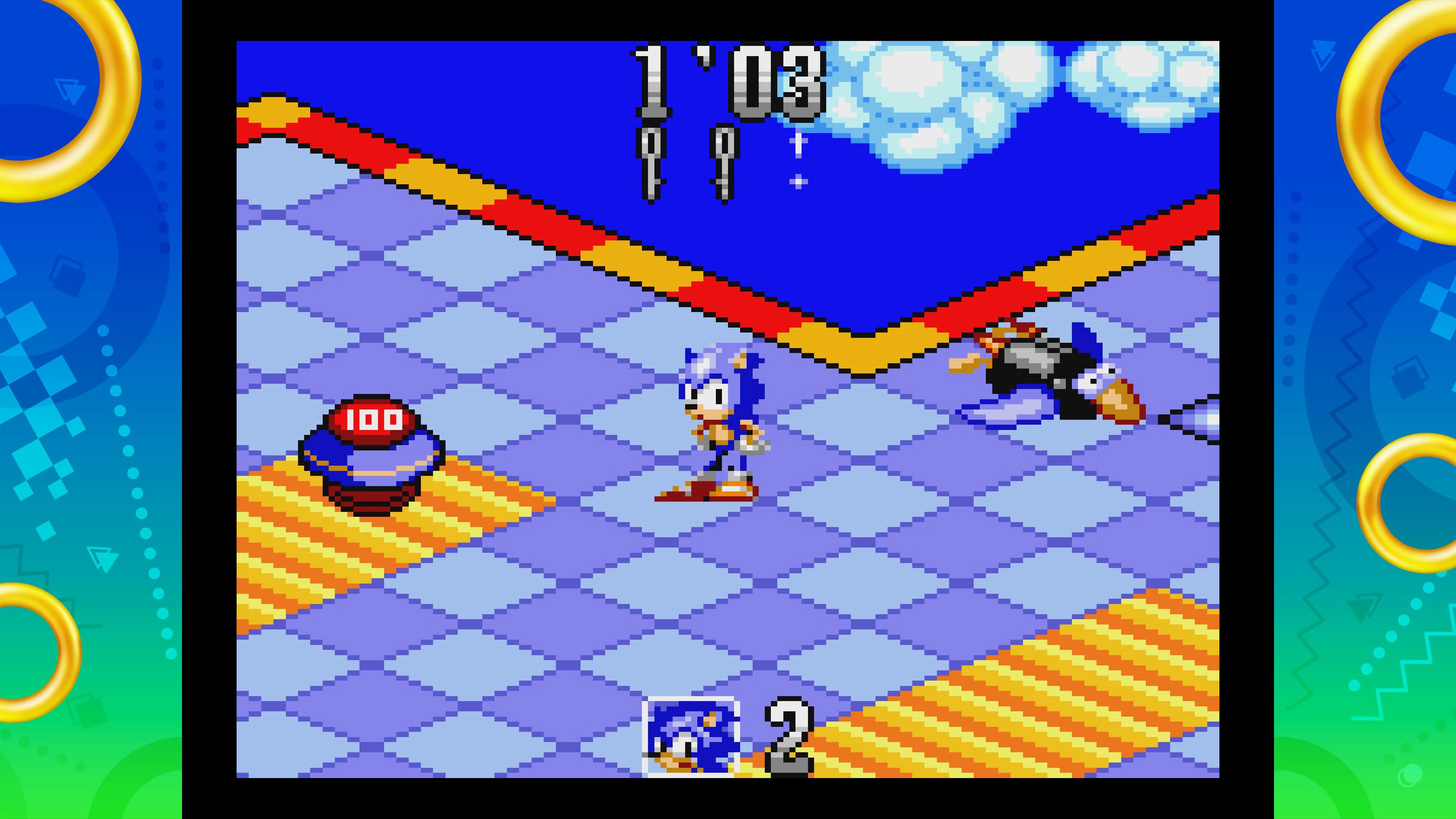
There’s a “museum” of artwork, videos and music from across the franchise, including all of the original manuals from all three regions, art from music CDs and promotional materials, footage of an orchestral concert of Sonic music, and video animatics from Sonic Mania. The games themselves have been given new animated cutscenes to bookend them, too - continuing the casual style from Sonic Superstars. Lastly, all of Sonic’s outings on the Game Gear are fully playable, from the 8-bit counterparts of the Mega Drive games down to obscurities like Tails’s Skypatrol and the isometric Sonic Labyrinth.
The Bad
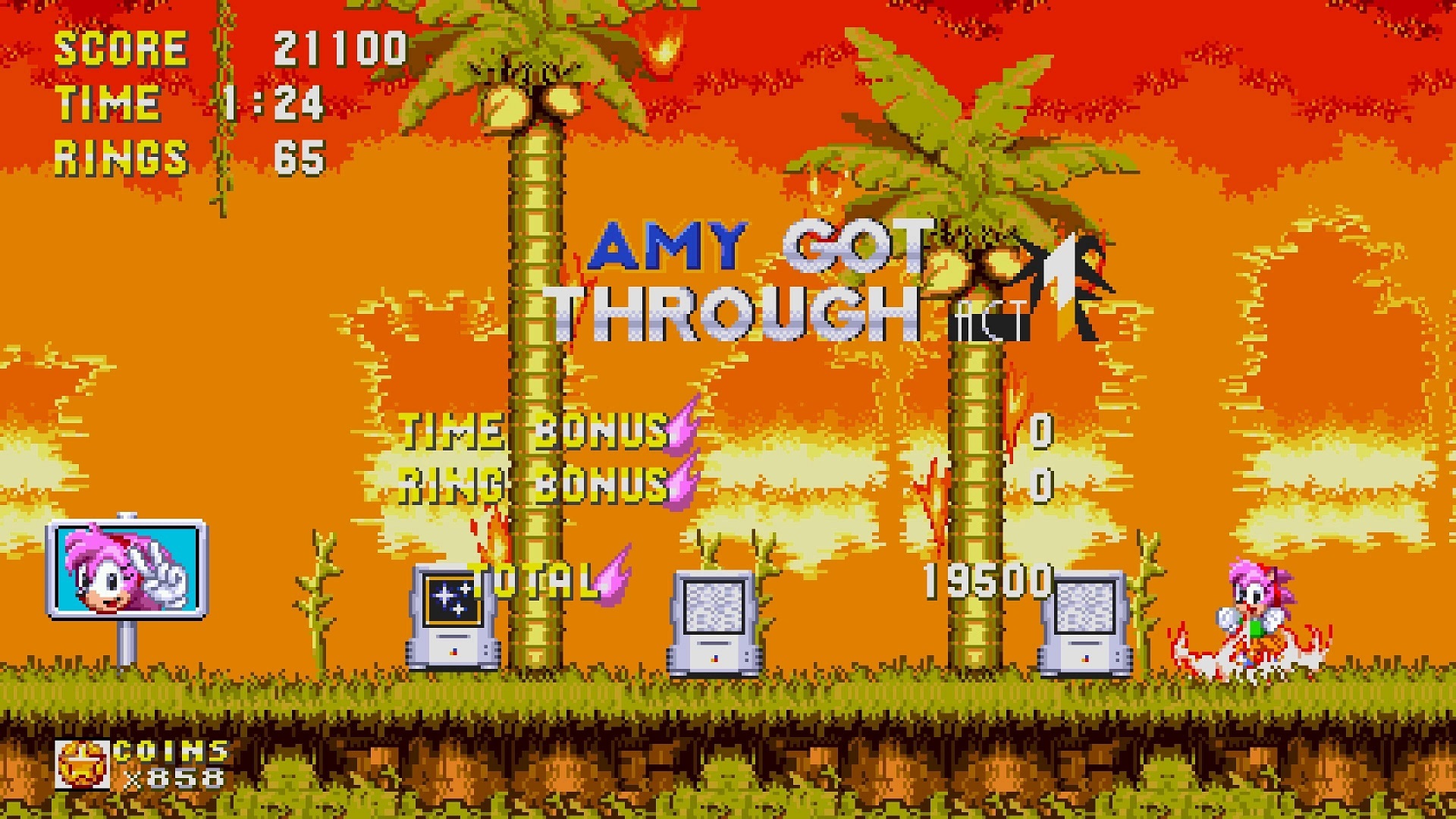
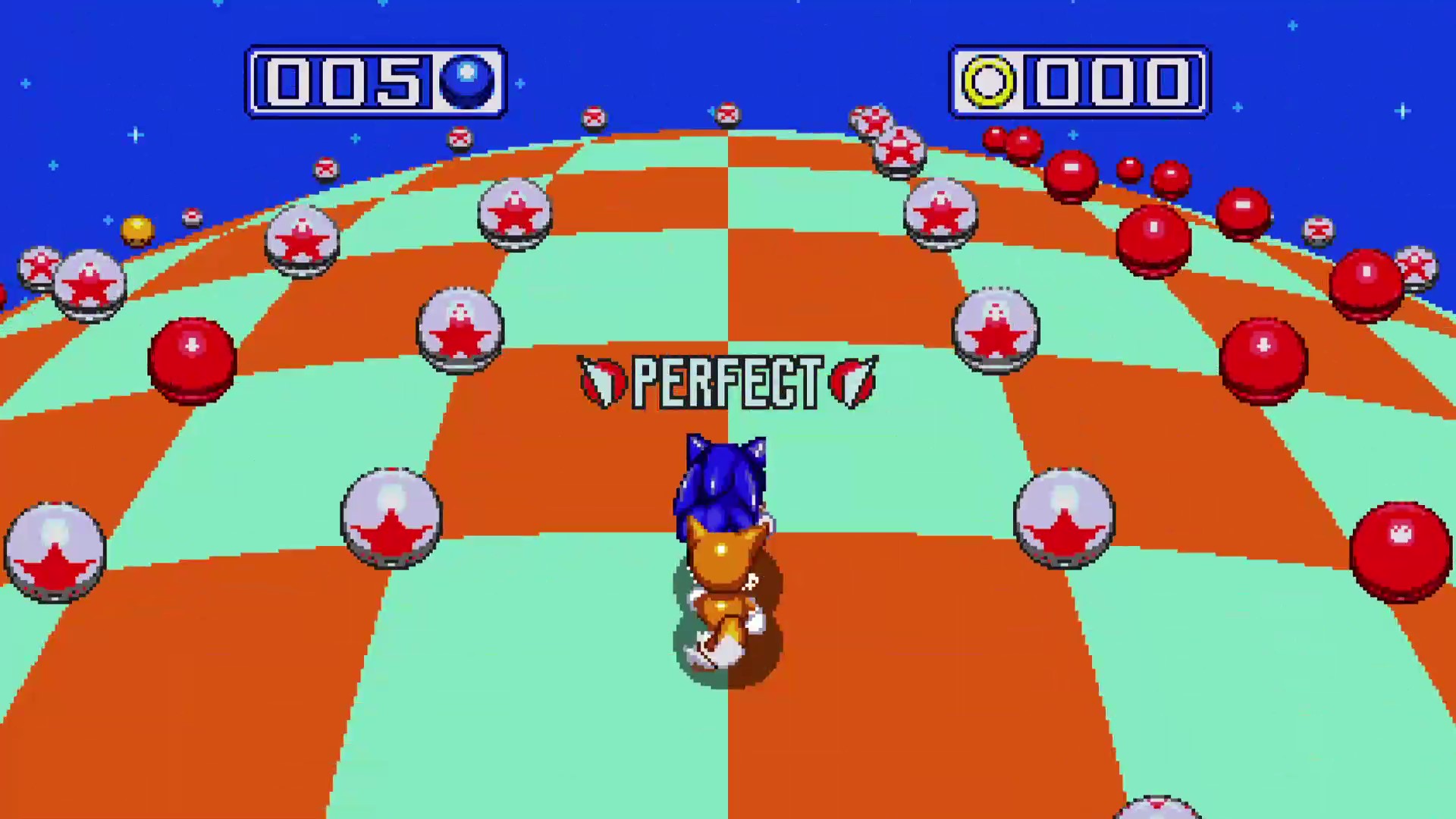
Sonic Origins offers two ways to play the four games: Anniversary Mode, in which the games are presented in widescreen, and the life system is replaced by “coins” which can be spent on items in the museum; and Classic Mode, where you play with lives, continues and game-overs and the viewport is limited to 4:3. Anniversary Mode is clearly the intended way to play the games, but in removing the life system, it negates a lot of the benefits of exploring the zones, and left me with little desire to go above and beyond. What’s in the hidden nook? Oh, it’s just a coin. Collect 100 rings? A coin. Score a perfect in the special stage? More coins. Sonic was never a deeply challenging series, but losing that impetus to explore and enjoy hidden pathways is disappointing.
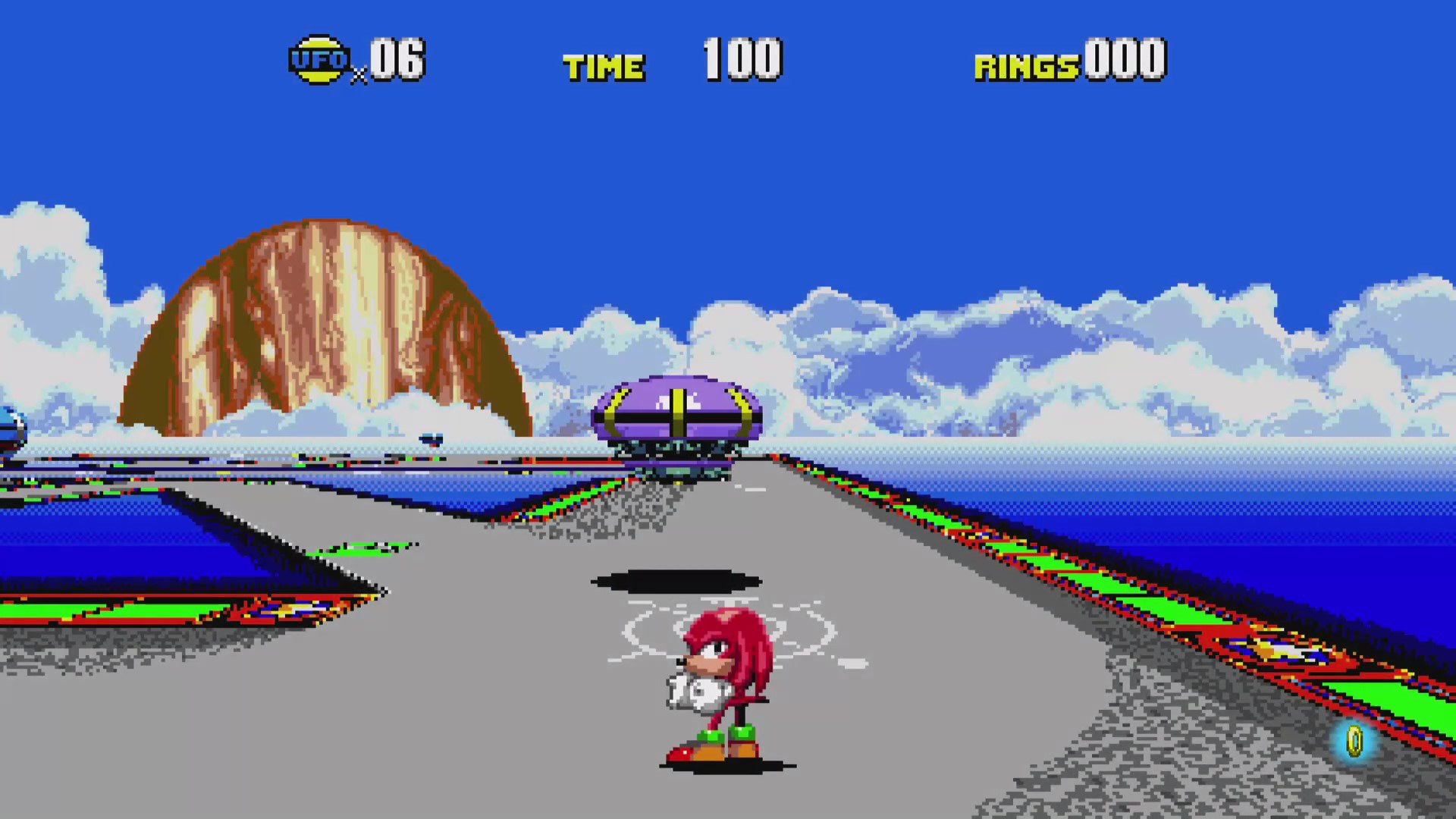
Speaking of coins, once you’ve unlocked everything in the museum, their only purpose is to allow you to retry failed special stages. While this in itself is a great quality-of-life feature - especially for the hellish UFO-hunting of Sonic CD - you’ll quickly end up with more coins than you will ever spend, and so the counter will just sit there in the corner of the screen, counting up into the hundreds, completely useless for actual gameplay. I would have liked to have seen something like an (optional) in-game shop for buying shields, rings or other power-ups. Maybe something to allow Tails infinite flight?
Let’s address the elephant in the room. I mentioned that Sonic 1, 2 and CD were excellent, faithful remakes by a fan-led team. Sonic 3 & Knuckles, however, is noticeably shoddy by comparison: it was built by an internal Sega team using the bones of the Sonic Mania engine, which not only means that it inherits a lot of quirks from that game which weren’t present in the original 16-bit title, it also suffers from a laundry list of graphics issues and physics bugs. Music is lower quality compared to the other games, and that’s without even mentioning the mess they made of replacing the supposed Michael Jackson compositions with their prototype versions. There’s no option to play Sonic 3 and Sonic & Knuckles separately, just a combined version, but they don’t even get this right: there are musical inconsistencies, like using the Sonic 3 extra life jingle but the Sonic & Knuckles invincibility theme; Knuckles’s Mushroom Hill cutscene plays before Angel Island Zone, and it’s now possible to completely waste a special stage ring by accidentally stepping back onto the teleporter in Hidden Palace Zone! It feels like the team just didn’t care enough to get things exactly right, and it stands out next to the great remakes of the other games.
That said, it’s likely that only someone very familiar with the original games would notice a lot of these issues. Pitched at a younger or more casual audience - ones who enjoyed the colourful platforming of Sonic Superstars - Sonic 3 will feel just as good as the others. But, on principle, I can’t help but see the missed opportunities. Thankfully, the fan project Sonic 3 A.I.R exists, and it’s still the definitive version of the largest and most feature-rich 16-bit Sonic game.
Lastly, although I applaud the inclusion of all of Sonic’s Game Gear games, the Master System versions are absent. Even though Sonic Origins doesn’t treat the US as the default region like most other compilations - it lets you choose which region’s box art to show on the menu, pick whether the two-tailed fox is called Tails or Miles, and select Sonic CD’s soundtrack - it’s clear that Sega’s US-centric attitude has come through in this decision: “only the Game Gear mattered, nobody remembers the Master System”. If nothing else, the fact that the Master System 8-bit games are made for a big screen and would be much nicer to play than a zoomed-in handheld emulator on your 50-inch TV should make them the obvious choice to include.
Verdict
Sonic Origins is a mostly solid compilation. It’s great to have the formerly mobile-exclusive remakes playable on consoles, and the extra modes and bonus features give the four games a little longevity. But it’s also a story of missed opportunities: the lazy porting job of Sonic 3, the lack of Master System games, even the fact that it only includes four games out of the long list of 90s Sonic titles. I can’t recommend this to die-hard Sonic fans: there are better ways to play all of these games, and they’re almost all provided and maintained by the extremely dedicated fan hacking community. But as a way to show the series’s roots to newer fans, who may have jumped onto classic Sonic with Superstars or Mania, it serves a purpose and is an attractive package.